

The UK’s push for mass vaccination generated a distinctive moment in public health communication. Officials needed to pierce the noise and get everyone on board. In the process, the language people used started to take from the digital world around them, even from casual games like the online book of oz slot. This piece examines how the idea of a “vaccination line” stuck, how digital metaphors can aid or impede health messages, and what this implies for talking to the public in an age where everyone is online. It asks whether these comparisons make serious topics more understandable or just less serious.
The United Kingdom’s Vaccination Drive: An Essential Public Health Imperative
Distributing the COVID-19 vaccine was one of the most significant tasks the UK’s NHS has ever encountered. It was required to deliver millions of doses across every region at a pace no one had seen before. The operation used everything from huge convention centres to local doctors’ offices and pop-up clinics. Clear communication proved just as vital as the logistics. Messages needed to build trust, fight false information, and encourage every part of society to get involved. “Getting in line” for a jab turned into a common phrase. It represented both a personal step and a shared national effort to end lockdowns. The campaign succeeded when its messaging was direct and spoke to people who were fatigued and confused by a long crisis.
Online Metaphors in Health Communication
Health campaigns often adopt ideas from daily life to clarify tricky science. Saying a virus spreads like wildfire or that a vaccine trains your immune system gives people a mental picture they can grasp. The vaccination drive saw this happen with digital culture. People talked about “levelling up” after a dose or “unlocking” new freedoms, terms straight out of video games. The concept of joining a queue for protection was simple and familiar. No one in charge officially compared getting a jab to playing an online slot, where you wait for the reels to align for a win. But the fact that such a parallel exists shows how digital experiences shape the way we talk about everything, even our wellness.
The “Queue” as a Common Cultural Experience
Britons have a special relationship with queuing. It’s a social ritual, often met with patience and a bit of banter. The vaccination line turned this normal habit into a sign of national unity. People swapped stories about their “jab journey,” comparing wait times and which centre had the best process. This made the whole thing feel more routine, less like a medical event and more like a shared civic task. That physical and metaphorical line built a feeling of common objective. It transformed a private health choice into a public show of moving forward together.
When Gaming Terminology Infiltrates the Mainstream
Language from video and mobile games is everywhere now. Terms like “bonus round,” “spin,” and “jackpot” get used in news reports and office talk all the while. For the vaccination effort, the link wasn’t to the injection itself. It was to the feeling of anticipation around it. “Waiting for your turn” in a system designed to give you a good outcome feels similar to waiting for a game’s reward sequence. This wasn’t a planned strategy by health experts. It just shows how deep gaming culture runs. It offers a common set of ideas that millions of people recognise, whether they’re discussing entertainment or something far more critical.
Exploring the Book of Oz Slot as a Cultural Reference
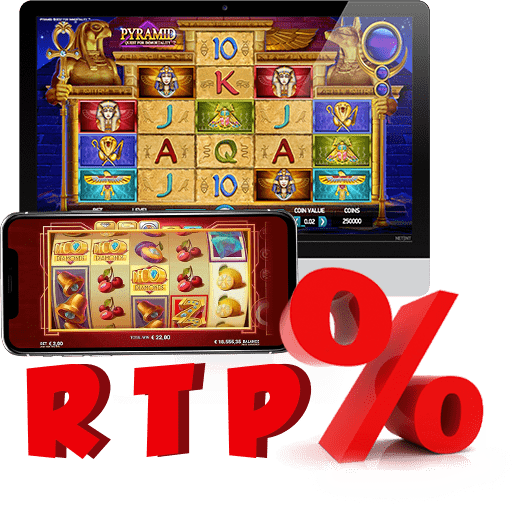
Look at the Book of Oz slot. It’s a popular online game with a magic theme where players trigger free spins. To win, you must have a line of matching symbols to appear, a moment founded on waiting and potential payoff. The game’s structure involves you moving through a story to unlock features, a path toward a goal. That narrative shape unintentionally mirrors the path of the vaccination campaign. The comparison is just a loose one, of course. But it underscores something important: many people now intuitively understand progress through these kinds of frameworks. Because games like this are so widespread, their core loop of risk, anticipation, and reward is a familiar mental pattern. That pattern can make similar structures in other areas, even very serious ones, feel a bit easier to grasp.
Public Health Messaging: Precision Versus Casualisation
Employing pop culture metaphors to talk about health is a risky move. It can cause a topic more interesting, but it might also make it seem less significant. In the UK, the NHS and official health bodies preserved their tone formal. They followed the facts about safety, proof, and securing the community. Out in the realms of social media and everyday chat, though, less strict analogies took hold. The task for authorities is to monitor this public conversation without mimicking its most informal language, which could damage trust. Good messaging achieves a middle ground. It stays understandable enough to engage but serious enough to convey the gravity of a pandemic. The science must never be obscured by a clever comparison.
Takeaways for Future Health Campaigns
What can the UK’s experience teach us for the next public health crisis? A couple of things are notable. The public will always develop its own metaphors to make sense of big events. Paying attention to those can offer a real impression for the national mood. And while official statements should refrain from sounding too flip, knowing what cultural references people have can help shape how you address them. Future campaigns might consider a layered approach:
- Core Official Messaging: This stays factual, authoritative, and led by science.
- Community-Level Communication: Here, language can be more targeted. It might allude to common cultural ideas without directly advancing them.
- Digital Strategy: This should engage people on their platforms online, using clear instructions rather than cute metaphors.
- Partnerships: Collaborating with trusted local voices and platforms can spread messages in a way that feels genuine.
The objective is to connect dry clinical information with public understanding, without distorting the truth.
Ethical Considerations in Comparative Language
Positioning public health alongside entertainment like online slots raises ethical questions. Gambling games operate by offering unpredictable rewards to keep you playing. Vaccination is nothing like that. Comparing a medical procedure to a game of chance might accidentally suggest the vaccine is unreliable or that your health is a matter of luck. Also, such comparisons could disturb people who have suffered from gambling problems. Ethical health communication has to be accurate and responsible above all. Any figurative language used must not cloud the core message: vaccines offer a proven medical benefit, getting one is a collective duty, and the outcome for public health is predictable and positive.
The Long-Term Effect on UK Health Discourse
The vaccination programme changed how people in the UK discuss major health projects. It turned detailed conversations about virology, immunity, and supply chains normal over the dinner table. The playful digital metaphors will probably vanish. But the public’s new familiarity with vaccine schedules, boosters, and virus variants is likely here to stay. This whole period showed that people can manage complex health data if it’s conveyed clearly and affects them directly. The next challenge is to keep this engagement alive when there isn’t a crisis. The lesson isn’t that you need a perfect pop culture reference. It’s that you need an open, continuous conversation between health authorities and the people they serve.
The UK’s vaccine rollout and its digital culture converged in a way that illustrates how messy modern communication can be. While scientists and planners performed the hard work, public discussion incorporated concepts from everyday online life, including the shapes of popular games. This tells us two things. Health bodies must supply a rock-solid, authoritative core of information. And we should also understand that people will always process facts through the lens of their own daily experiences. The campaign prevailed not because of casual comparisons to slots or games, but because people relied on the NHS and observed with their own eyes that vaccines cut severe illness and enabled life return to normal.