
The Illusion of Control
Many gamblers believe they have some level of control over the outcome of their games, a phenomenon known as the illusion of control. This cognitive bias can lead players to engage in superstitious behaviors, such as wearing lucky clothing or following specific rituals before placing bets. These actions, while they may seem harmless, can significantly influence a player’s psychological state, impacting their overall experience and perception of luck. Interestingly, some players turn to the best offshore betting sites for what they believe to be better odds of winning.
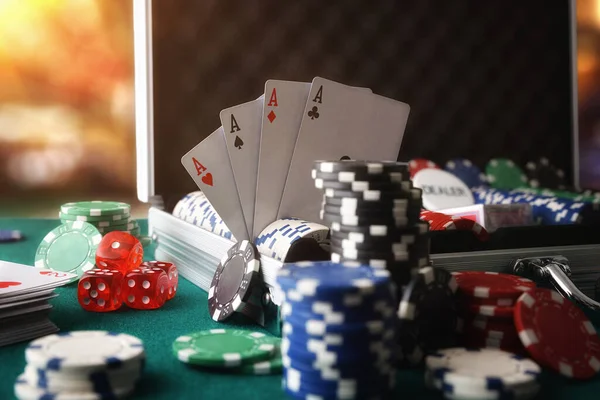
The illusion of control is particularly prevalent in games that involve an element of skill, such as poker or blackjack. Players often feel that their decisions can directly affect the outcome, encouraging them to invest more emotionally and financially. However, in purely chance-based games like slots or roulette, the sense of control is even more exaggerated as players seek reasons behind their wins and losses.
The Role of Emotion in Gambling
Emotions play a crucial role in gambling experiences, often dictating a player’s decisions and perceptions. Winning triggers feelings of excitement and euphoria, while losses can lead to frustration and despair. This emotional rollercoaster can significantly affect gambling behavior, with players sometimes chasing their losses in the hope of returning to a winning streak.
Furthermore, the emotional highs associated with gambling can lead to a phenomenon known as the “gambler’s fallacy.” This is the belief that past events influence future outcomes in games of chance. For example, if a player has experienced several losses in a row, they may feel that a win is “due,” leading them to continue playing despite the odds remaining unchanged.
The Impact of Social Dynamics
The social environment within a casino can heavily influence a player’s perception of luck. Watching others win can create a contagious excitement that motivates individuals to take risks they might not otherwise consider. This social proof can enhance feelings of optimism and lead to increased wagering, as players may feel buoyed by the energy of the crowd.
Conversely, witnessing other players’ losses can create a sense of caution, potentially deterring individuals from participating. The dynamics of social interactions, such as celebrating wins together or commiserating losses, can profoundly impact how players perceive their luck and make decisions moving forward.
The Influence of Cognitive Biases
Cognitive biases are systematic patterns of deviation from norm or rationality in judgment. In the context of gambling, biases such as confirmation bias can lead players to notice and remember only the wins while dismissing the losses. This selective memory can create an inflated sense of luck, encouraging continued play. Many gamblers become convinced that they are more fortunate than they genuinely are, perpetuating a cycle of gambling behavior.
Moreover, framing effects can also affect how players view their gambling sessions. For instance, if a player frames their losses as “just the cost of entertainment,” they may be more likely to continue playing despite running out of funds. These biases can contribute to problematic gambling behavior, as individuals rationalize their decisions based on a distorted view of luck and probability.
Discover More Insights at NewGroundMag
At NewGroundMag, we delve into the complexities of human behavior and psychology, offering articles that explore various facets of life, including the intriguing relationship between individuals and gambling. Our aim is to provide readers with not just entertainment, but also valuable insights that can enhance understanding and awareness of their experiences.
Join us as we continue to explore fascinating topics that challenge the way you think and feel. Whether you’re interested in gambling psychology or other engaging subjects, NewGroundMag is your go-to resource for fresh perspectives and enlightening content.